PPF vs Ceramic Coating: What Is the Difference and What Should You Choose?
Paint protection film and ceramic coating solve different problems. Here is how each one works, what it protects against, and how to decide — or combine them.
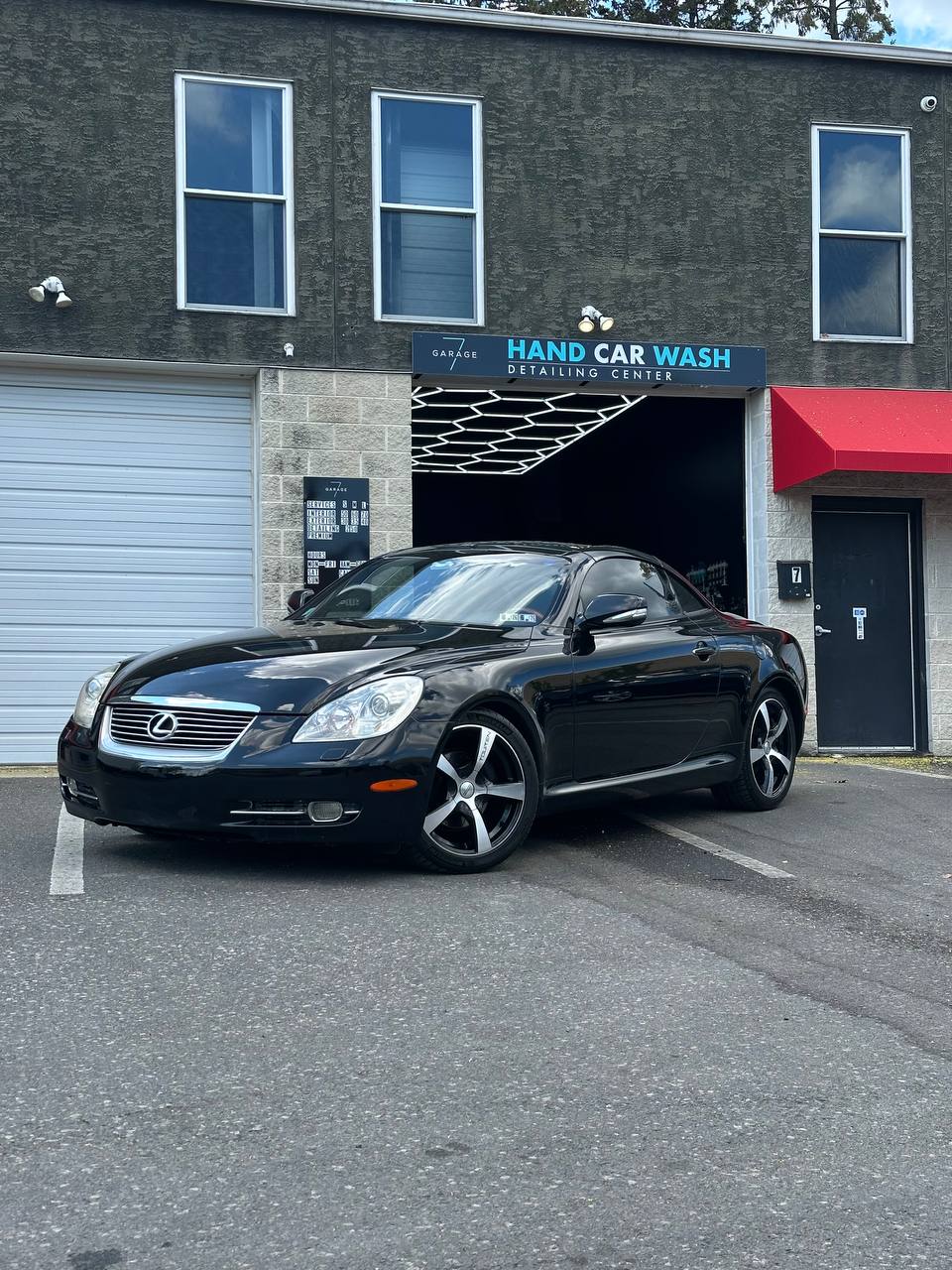
The core difference: PPF is physical armor. Ceramic coating is a chemical shield. One stops impact damage; the other changes how the surface repels water, dirt, and UV.
How Paint Protection Film Works
Paint protection film (PPF) is a clear thermoplastic urethane film, typically around 150–200 microns thick, applied over painted panels. Because it is thick and elastic, it absorbs the energy of rock chips, road debris, light scratches, and bug etching before that energy reaches your paint. Most modern films are self-healing: light swirls and marks disappear as the top layer relaxes with heat from the sun or warm water.
PPF is the only product on this page that meaningfully protects against physical impact. If your priority is keeping the front end of a new car chip-free, film is the answer. Learn more about coverage levels on our paint protection film page.
How Ceramic Coating Works
Ceramic coating is a liquid polymer, usually based on silica (SiO2), that cures into a thin, hard, transparent layer bonded to the clear coat. It is measured in single-digit microns — far thinner than film. It will not stop a rock chip. What it does very well is add depth and gloss, resist UV fading and chemical staining, and make the surface strongly hydrophobic so dirt and water release easily.
The practical payoff is easier maintenance: fewer water spots, faster washing, and a finish that stays glossy longer. See coating tiers on our ceramic coating page.
Side by Side
| Factor | Paint Protection Film | Ceramic Coating |
|---|---|---|
| Rock chips & scratches | Strong physical protection | Minimal — cosmetic only |
| Gloss & depth | Adds gloss (gloss or matte films) | Adds significant gloss and depth |
| Hydrophobic / easy clean | Good, better with a coating on top | Excellent |
| UV & chemical resistance | Good | Excellent |
| Self-healing | Yes (most films) | No |
| Typical lifespan | Around 5–10 years | Around 1–10 years by tier |
| Relative cost | Higher | Lower |
Which Should You Choose?
You want real protection from chips and scratches on high-impact areas — bumper, hood, mirrors, fenders — especially on a new or high-value vehicle.
Your paint is already sound and you mainly want gloss, UV protection, and much easier washing at a lower cost.
You want the strongest result: film on impact zones, then a ceramic coating over the film and the rest of the paint for uniform gloss and easy care.
A common premium setup is full-front PPF plus a ceramic coating over the entire vehicle. The film handles impacts where they happen most, and the coating gives the whole car the same slick, glossy, easy-to-clean surface. Not sure which fits your car? Request a quote and we will walk you through it.
- Film and coating manufacturer technical data sheets
- International Detailing Association — professional standards and terminology
- Automotive clear coat and refinish system guidance
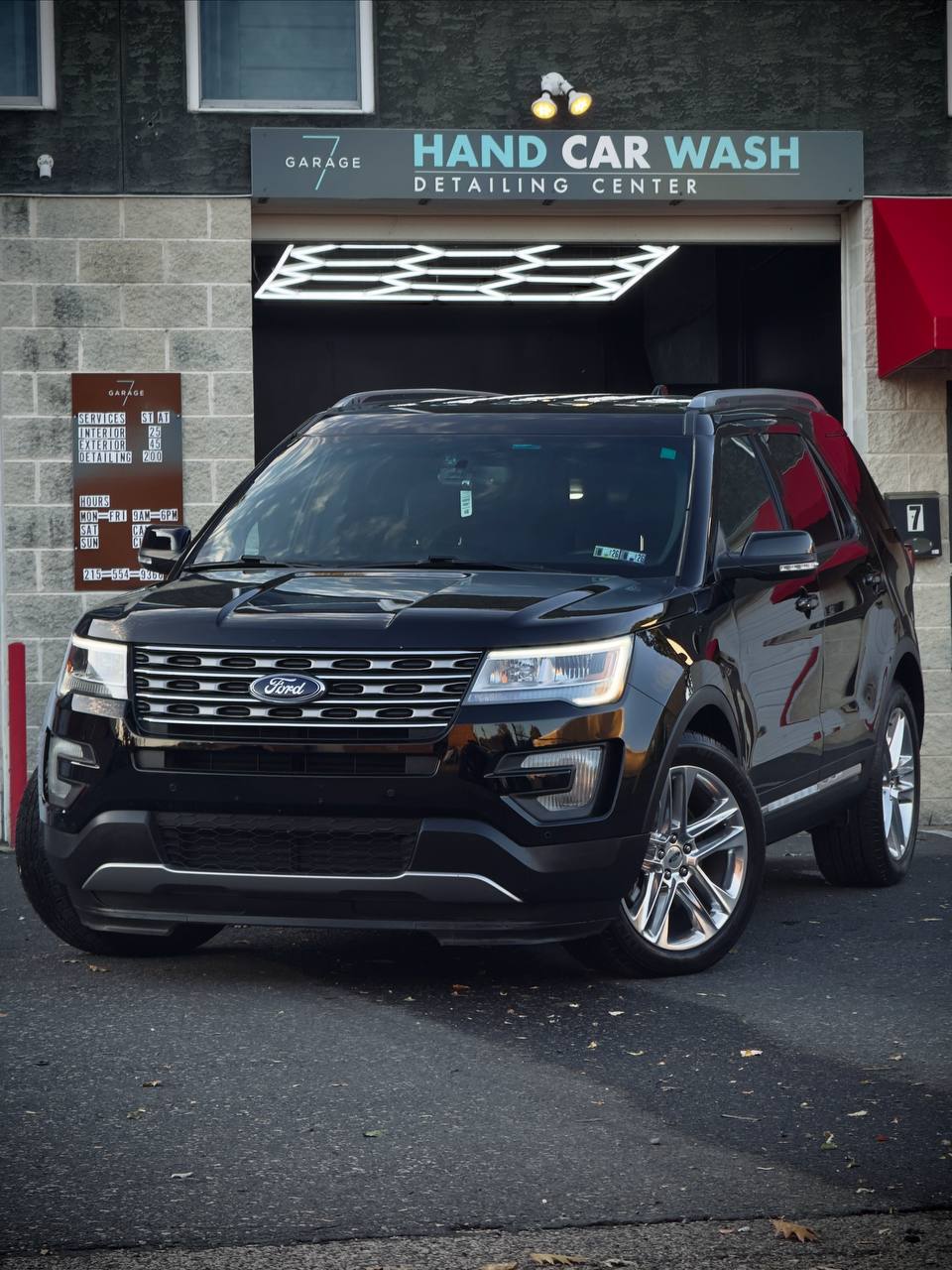
Colored PPF vs Color Wrap: Which Should You Choose, and What Does It Cost?
Both change your color, but a vinyl wrap and a colored paint protection film are very different products. Here is how they compare on durability, protection, and price.
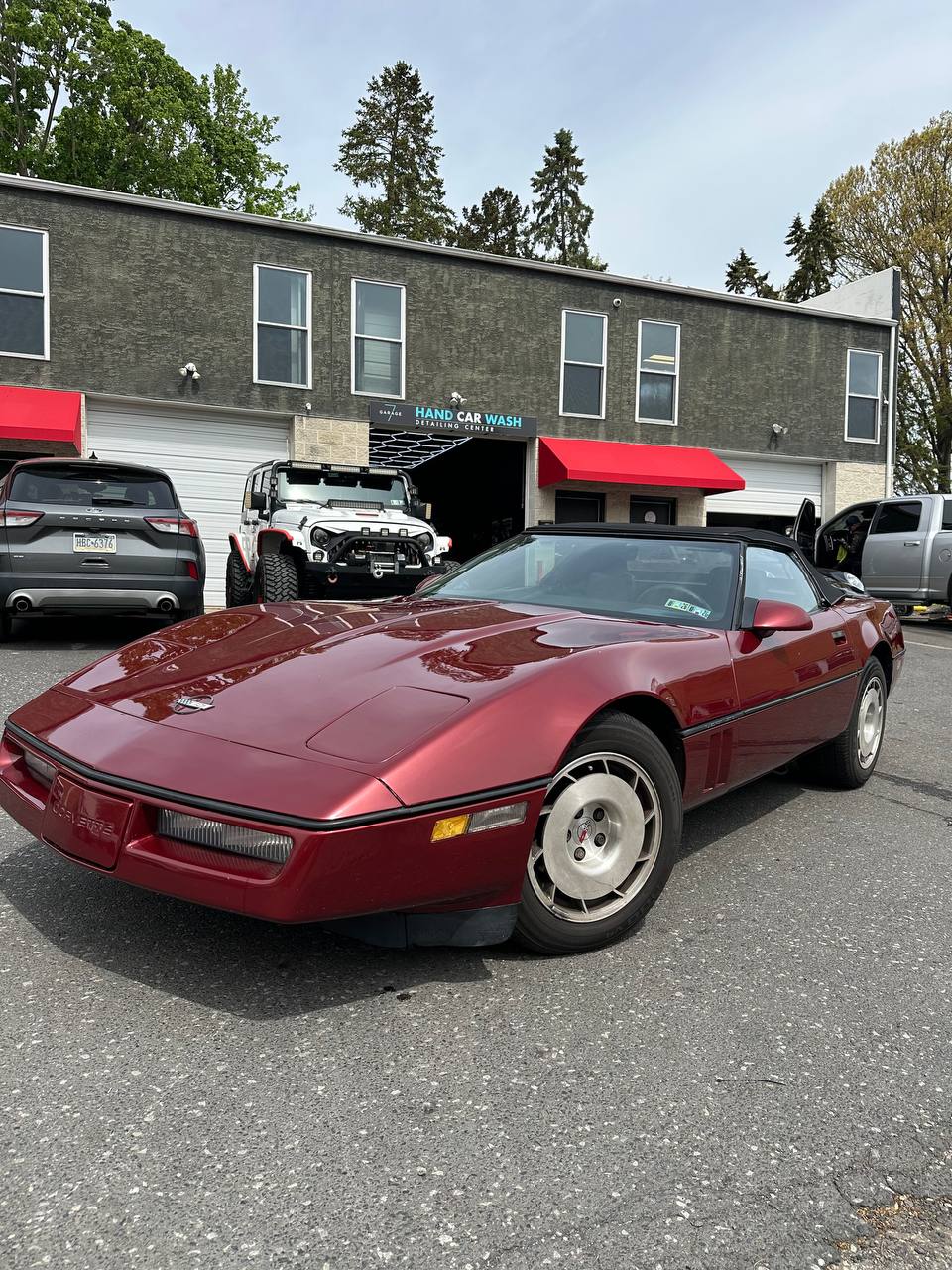
Types of Ceramic Coating Explained
From DIY sprays to professional multi-year coatings and graphene-infused formulas, here is how the main types of ceramic coating differ and where each one fits.
Ready to protect or refresh your car?
Get a straightforward quote for detailing, paint correction, ceramic coating, PPF, or window tint.